How to Spot Dangerous Trees
How to Spot Dangerous Trees On Your Property: A Homeowner’s Guide
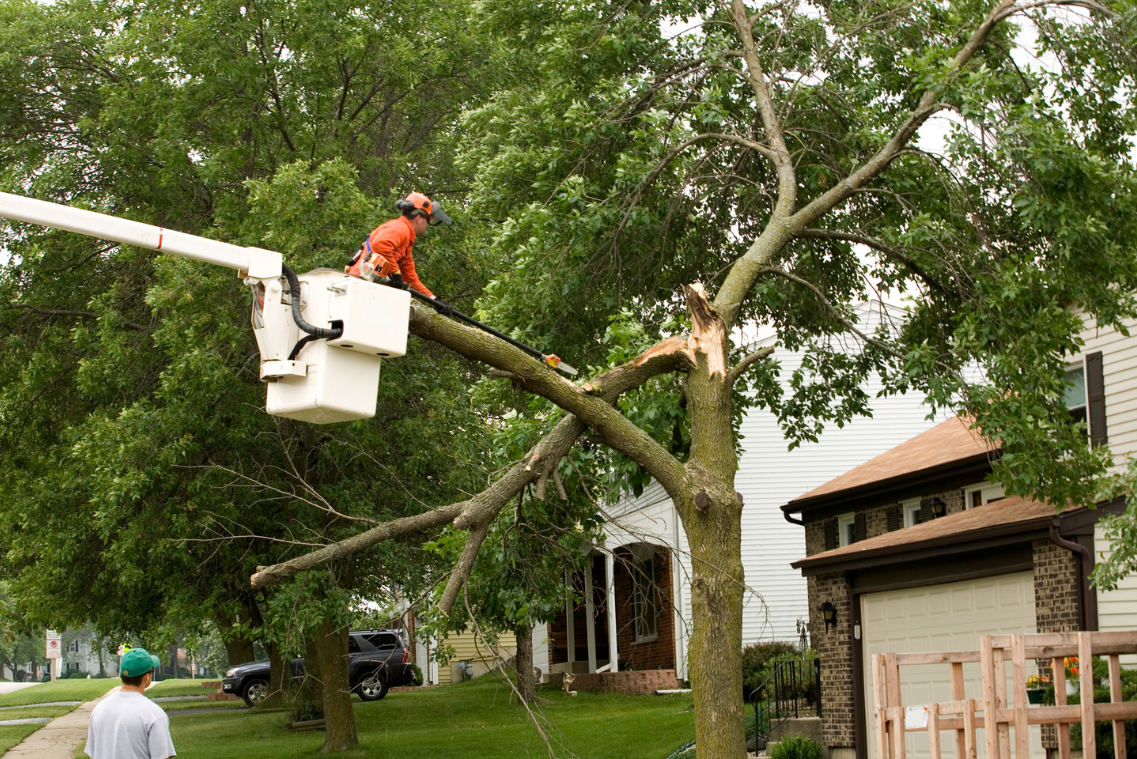
Not all tree hazards are obvious until it’s too late. A tree may look healthy on the outside but be rotting on the inside, or it may be leaning just enough to pose a serious risk during the next storm. Knowing how to identify dangerous trees can help you prevent property damage and keep your family safe.
In this post, our certified arborists at Mid-West Tree Experts share the most common warning signs of hazardous trees and when to call a professional for help.
Why Identifying Dangerous Trees Matters
- Safety First:
Falling branches or trees can cause serious injury.
- Protect Property: Leaning or decayed trees can damage roofs, vehicles, and power lines.
- Save Money:
Early intervention can prevent costly emergency removals.
- Preserve Tree Health: Spotting issues early gives some trees a chance to recover.
5 Warning Signs of a Dangerous Tree
1. Dead or Dying Branches:
- Large limbs that are bare or brittle
- Branches breaking off easily during light winds
- Deadwood hanging over your home, driveway, or sidewalk
- Pro Tip:
Look for limbs with no leaves during growing season. Dead branches in the upper canopy are especially dangerous.
2. Visible Cracks or Splits
- Cracks in the trunk or large branches can signal structural weakness.
- Splits often form after heavy snow, ice, or storm stress.
- Pro Tip:
If you notice large, open wounds or bark peeling away from the trunk it’s time to call a certified arborist.
3. Fungal Growth or Decay
- Mushrooms or fungi growing at the base of a tree
- Hollow spots or soft, crumbly wood inside the trunk
- Decay that compromises the tree’s stability
- Pro Tip:
Certain fungi like honey fungus or bracket fungus thrive on dying wood and may indicate a compromised root system.
4. Leaning or Shifting Trees
- Trees leaning suddenly after storms or heavy rain
- Soil lifting at the base (indicates roots may be failing)
- Leaning toward structures, power lines, or play areas
- Pro Tip:
More than 15 degrees of lean is typically unsafe and soil heaving at the base is a red flag.
5. Damaged or Exposed Roots
- Roots that are cracked, broken, or visibly decaying
- Construction or landscaping damage around the root zone
- Pro Tip: Limited root support causes instability and damage
Steps To Take If You Suspect Tree Damage:
If a tree has already caused property damage or you're concerned about a leaning tree hanging over your home or vehicle, don’t panic but don’t wait either.
- Stay Clear Of The Area: Avoid walking or parking near the tree until it has been professionally inspected.
- Take Clear Photos: Take photos of the tree and any visible damage including trunk lean, cracked limbs, broken windows, or structural damage.
- Send Us Your Images Via Our Contact Form or E-mail: A certified member of our team will review the photos and determine if a site consultation is necessary.
We offer fast-response assessments for potential hazards in and around the Northwest Suburbs. Whether it’s a safety concern or an active emergency, we’ll help you decide the next best step.
When to Call a Professional Arborist
While small pruning jobs may be safe for homeowners, hazardous trees often require expert care. A certified arborist can:
- Inspect tree health and stability.
- Recommend
pruning,
cabling, or full
removal
if necessary.
- Safely handle dangerous situations, especially around power lines or buildings.
If you notice any of the warning signs above, don’t wait until the next storm to take action.
Contact Us For More Information About What To Do With Dangerous Trees On Your Property
At Mid-West Tree Experts, our team specializes in identifying and removing dangerous trees before they cause damage. We provide tree services in Lake Zurich, Wauconda, Island Lake, and surrounding areas, with emergency response when you need it most.
Can a tree look healthy but still be dangerous?
Yes, trees can have internal rot or root damage that isn’t visible from the outside. A full canopy doesn’t always mean a tree is structurally sound.
Is it safe to prune a damaged tree myself?
Minor pruning may be safe, but damaged or unstable trees can be unpredictable. Professional equipment and training are often necessary to avoid injury or property damage.
How can storm damage affect tree safety?
Storms can weaken roots, split trunks, or break limbs. Even if damage isn’t obvious right away, trees can fail days or weeks later.
Can insects like ants indicate tree damage?
Yes, ants and other insects are attracted to dead or decaying wood, which may mean the tree is already compromised internally.
Do exposed tree roots mean the tree is unstable?
Exposed roots can reduce a tree’s anchoring strength and are often caused by erosion, construction damage, or soil loss making the tree more likely to fall.
Why are mushrooms growing at the base of a tree a concern?
Mushrooms or fungal growth often signal internal rot or decay in the roots or trunk even if the tree looks healthy on the outside.
Are hanging or broken branches dangerous?
Yes, hanging limbs can fall without warning, especially in wind or snow making them one of the most immediate safety hazards.
What does a crack in the trunk mean?
Cracks can indicate structural failure. Deep or widening cracks, especially after storms, can mean the tree is at risk of splitting or falling.
Is a leaning tree always a problem?
Not always, but a sudden lean or a tree leaning more over time is a red flag. This often means root damage or soil failure and should be inspected immediately.